About Water Softening Plant
To reduce the excess contents of magnesium and calcium from the water, many industries use technically configured Water Softening Plant. In these plants, water softening is primarily achieved by applying ion-exchange resins and lime softening. Water Softening Plant includes the method of passing the hard water (contained calcium and magnesium) through the bed of cation resin in the form of sodium. Further, the passed resins get easily charged by the sodium chloride solution that is highly cost effective.
Features:
- Automatic regeneration
- Uses high exchange capacity Resins
- Reduction in fuel consumption
With in-depth knowledge and rich domain expertise, we are capable in offering a varied range of Water Softening Plant as per the clients specific requirements. Fabricated in adherence to the set industry standards, these Softening Plants are known for providing pure, tasty and hygienic drinking water. These plants find application in power generation, chemical and textile industries owing to their rugged construction, high operational fluency and capacity to withstand harsh working conditions. Resistance to corrosion and abrasion, these Softening Plants have a longer working life and these can be availed by our clients at economical prices.
Detailed Description:
Water Softening System is based on ion exchange technology. It comprises one vessels filled with strong acid cation exchange resin. These are available in a range of diameters. VAS offers Softening plant for various sectors such as:
-
Pharmaceutical
-
Oil & Gas
-
Residential use
-
Boiler
Efficient Hardness ReductionEngineered to handle inlet hardness up to 1000 PPM, this water softening plant uses advanced cation exchange technology to ensure the outlet hardness remains less than 5 PPM. The system is designed for optimal scale prevention, making it ideal for diverse water sources such as borewell, municipal, or industrial supplies.
Robust and Customizable ConstructionMade from corrosion-resistant materials like mild steel, FRP, or stainless steel, this plant offers flexibility in size, mounting, and appearance (blue, grey, or custom colors). Its durable build includes a UPVC/CPVC/GI pipeline and is floor mounted for stability, allowing customization as per your plant capacity and operational needs.
Low Maintenance and Easy OperationThe plant features easily replaceable resin and spare parts, plus options for manual or automated regeneration. Accessories such as a brine tank, distribution system, and flow meter make ongoing maintenance straightforward. The automated systems and robust construction minimize user intervention and downtime.
FAQs of Water Softening Plant:
Q: How does the water softening plant reduce water hardness?
A: The plant uses a cation exchange process with high-quality polystyrene resin, which removes calcium and magnesium ions responsible for hardness, effectively lowering the outlet hardness to below 5 PPM.
Q: What types of water sources can this softening plant handle?
A: It is suitable for borewell, municipal, and industrial water supplies, making it adaptable for use in industrial, commercial, and residential settings across a range of applications.
Q: When should the resin or spare parts be replaced?
A: Resin and spare parts should be replaced based on the regeneration cycle or if a decline in softening efficiency is noticed. The systems design allows for fast and straightforward replacement to minimize downtime.
Q: Where can the plant be installed, and what mounting options are available?
A: Installation is floor-mounted, with flexibility in dimension and weight to suit the site requirements. The mounting is vertical, ensuring efficient use of space and stability during operation.
Q: What is the process for regeneration, and can it be automated?
A: The plant offers both automatic and manual regeneration cycles. Automated regeneration reduces user involvement, while manual controls allow for tailored management as needed.
Q: How does using a water softening plant benefit my facility or residence?
A: Utilizing the system prevents scale formation, improves appliance longevity, and ensures more efficient water usage. It delivers consistently softened water, protecting plumbing, machinery, and enhancing overall operational efficiency.
 Call Us : 08045478059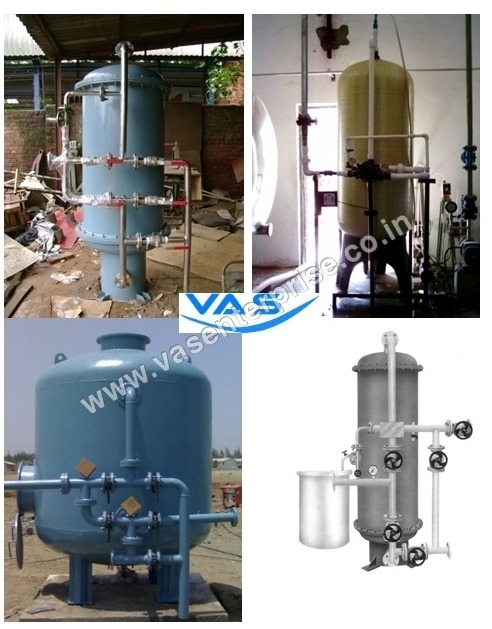







 Send Inquiry

 Send Inquiry
 Send Inquiry
 Send SMS